10 Workout Tips & Tricks
 PropertyAccess Team
Have you been hitting the gym regularly but don’t seem to be seeing results? You’re probably not making the most out of your workout, pushing yourself hard enough, or doing the routine correctly. Another possibility is you may have plateaued—your body has gotten so used to your routine, it’s no longer affected. Or perhaps your issue is you’re no longer as motivated to work out as when you started.
We gathered tips to help you work out better and smarter—and perhaps get a motivation boost. Making little adjustments to your routine just might spell the difference in how your body looks and feels when and after you exercise.

1. Eat and hydrate before you workout
Your body can’t perform the exercises well if you don’t fuel up, so make sure to eat at least an hour before you work out. Include a bit of simple carbs and protein to your meal to give you an energy boost without making you feel bloated. And make sure to drink lots of water before you go to the gym, then refill and drink more throughout and after your workout.

2. Start with something you enjoy
Have you been feeling sluggish and lacking in enthusiasm to hit the gym lately? And even when you make it there, you find yourself unable to decide where to start? PopSugar suggests this trick: “After you're warmed up, start your gym routine with the part that gets you most jazzed up. Love doing crunches? Hit the mat before you hit the machines. Love to dance? Take a group class before you follow up with yoga or weights. It'll motivate you and put you in a good mood for the tasks ahead.”
3. Break down your sets
Does the exercise program your trainer gave you feel difficult to complete? Or are you unable to finish the workout routine for toning and weight loss that you found online? Don’t let the large number of sets faze you. Here’s another trick from PopSugar: “When faced with a set of push-ups, crunches, or strength-training moves, break the big set down into smaller sets. If doing 20 push-ups seems impossible, count them out in four sets of five. The smaller sets seem easier to conquer both mentally and physically.”
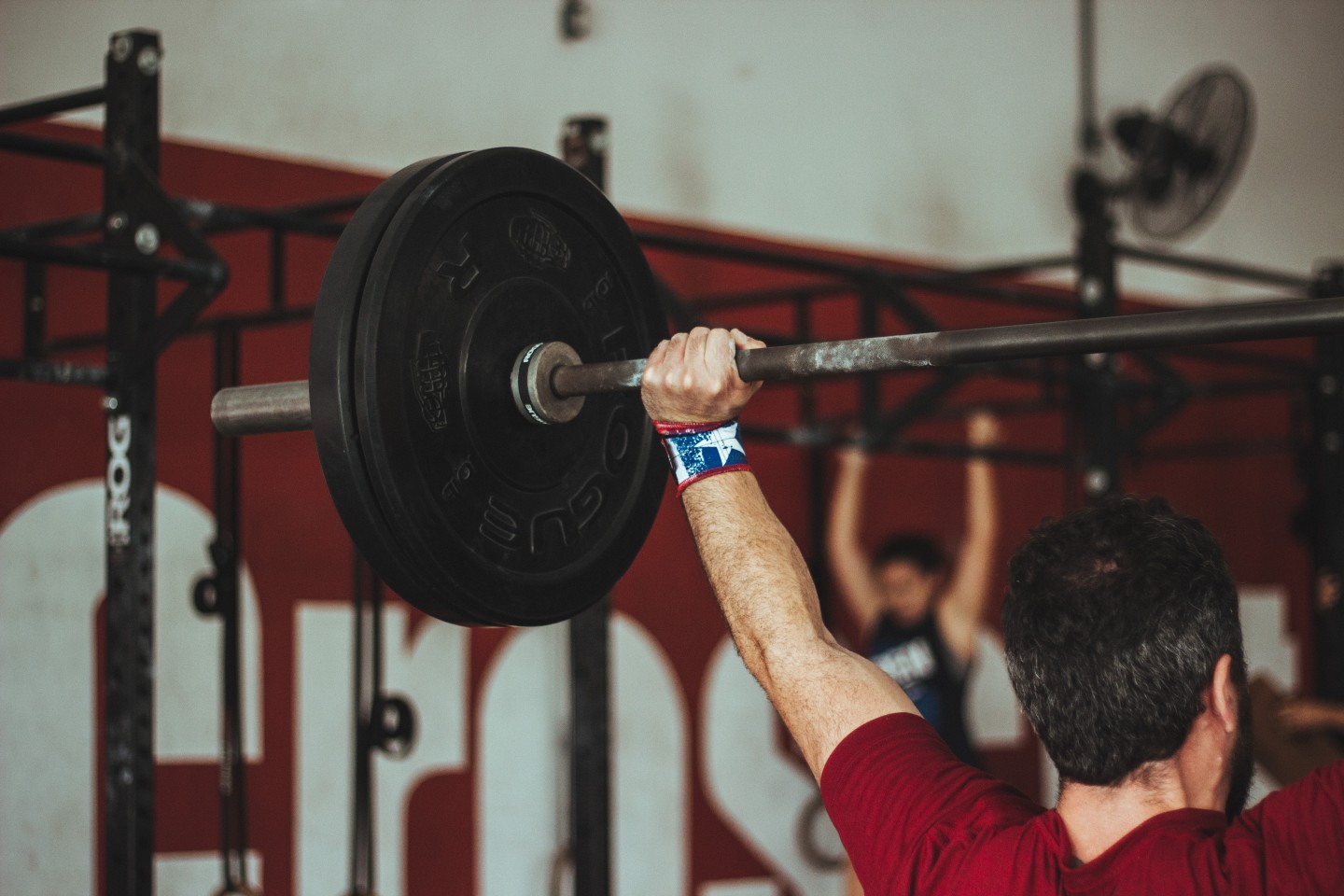
4. When you work out, quality and intensity trump quantity and length of time
You don’t have to spend two hours at the gym, especially if most of that time is spent chatting with your workout buddy, browsing social media, resting, or even engaging in lackluster exercises. You should be focusing on the quality of your workout; that way, you don’t even need to spend too much time there. “Get the same results in a shorter amount of time by increasing intensity. High-intensity intervals will burn fat faster than trudging away at the same rate will, and supersets combine the benefits of cardio with your strength-training routine,” suggests PopSugar.

5. Stretch, stretch, stretch
We can’t stress this enough: You have to stretch before and after you work out. “All adults should be stretching at least three times a week,” Michele Olson, PhD, professor of exercise science at Auburn University Montgomery and creator of the Perfect Legs, Glutes & Abs DVD told Shape. “Stretch the front side of your body first, since tighter muscles on the front of the body can reduce flexibility in the back of your body.” The magazine suggests a couple of quick stretches you can do after your workout when you’re short on time: Heel to Glute Stretch and Prone Abs Stretch. Learn the moves here.
6. Balance training for each side of your body
It’s apparently not recommended to do exercises that supposedly work both sides of your body at the same time as this can—surprise, surprise—cause an imbalance in our bodies. "Most of us do not have equal muscle fitness on our right versus left leg, and when you exercise both legs together, the stronger one tends to naturally do a bit more of the work," Olson told Shape. They suggest reducing the weight and doing a full set on one side first, ideally the weaker leg or arm, then switching to the stronger side (usually the right) to balance the strength of both sides of the body.
7. Use your upper body during cardio
Another imbalance we don’t notice we’re causing our bodies when we workout? Focusing too much on our legs instead of our upper body during cardio. Running on the treadmill or spinning does not give us the total body workout we need. We need upper body exercises, too. “Olson recommends using machines with an upper body component, like a total-body elliptical machine, and alternating intervals focusing on your upper and lower body. For example, try pumping the handles more aggressively with your arms for 2 minutes, and then focus on moving with your legs for the next 3 minutes,” Shape writes.
8. Change direction
One more trick to ensuring our entire body gets an effective workout is to change directions during your cardio. “If you always move forward on the treadmill, elliptical, or bike, try moving sideways and backwards too,” Olson told Shape. "We are so used to moving forward in one plane of motion, but research on treadmill exercise has shown that you can burn more calories and activate lesser-used muscles such as your outer hip muscles, shins, and hamstrings if you turn your walk or jog sideways and backwards. Since your body is not used to this (even though it is designed to move in all three directions), it will pump your heart rate up higher and cause you to burn extra calories.” Check out this trick the magazine suggests here.

9. Focus on yourself
Don’t compare yourself to others while at the gym—you’re only sabotaging and undermining your own progress. Your fitness goals—not to mention your body—are very different from others’, so there’s really no point comparing your progress and routine with theirs, especially if it only ends up making you feel bad about yourself and fueling your insecurities. At most, use those gym-goers whom you think look great and are doing better than you as motivators to work harder, not to bring you down. You’re going to the gym to look and feel better, so focus on achieving that.

10. Take smarter rest days
You can’t go to the gym everyday. It’s unnecessary, not to mention unhealthy. Rest days are just as important to achieving your fitness goals. Allot at least 2-3 days off from the gym each week. “Recovery is where muscles both grow and recover, so you want to schedule days off the way you would your workouts themselves,” according to HappyBodyFormula. “Overworking your body can lead to both physical and emotional stress. In fact, it’s one of the leading factors to developing adrenal fatigue.” If you keep pushing yourself even when your body feels exhausted or your energy is depleted, you’re only setting yourself up for burnout. So if you’re feeling sore, give your body a rest. “Rest days can also be active, so try swimming, yoga or walking when you aren’t in the gym,” suggests HappyBodyFormula.